Parenting With Adult ADHD: Practical Strategies to Support You and Your Family

Struggling to juggle family life with Adult ADHD? Let's discover relatable insights and strategies for parenting when you are also neurodivergent.
Being a Parent With Adult ADHD
Being a parent is one of the most demanding roles we can take on. And when you add adult ADHD into the mix, the challenges can feel magnified (Barkley, 2020). Adults with ADHD often describe parenting as a paradox. They deeply love and want to show up for their children, however every day tasks, maintaining routines, managing emotions, juggling schedules and staying consistent and disciplined can feel very overwhelming.
For neurodivergent parents, the consistent stream of responsibilities can trigger feelings of inadequacy and guilt. The truth is, having ADHD doesn’t make people bad parents. It means they may approach and manage parenting differently. With the right coping strategies and support, parents with ADHD can do very well in this important role. They can model resilience, creativity, and problem solving for their kids and carve out their own unique ways of managing their familiar relationships. This article explores both the struggles and strengths of parenting with ADHD, while offering practical strategies to create more balance in family life.
Common Challenges Parents with ADHD Face
Many ADHD parents experience recurring themes with executive functions that make daily life harder. Recognizing these challenges is the first step towards addressing them. Here are some common executive function challenges experienced by parents:
- Inconsistency in Routine: Struggling to maintain a predictable schedule for meals, bedtime, clean up or homework.
- Overstimulation: Feeling overwhelmed by noise, clutter, or competing demands.
- Time Blindness: Losing track of time, running late for activities, or under estimating how long tasks will take to complete.
- Emotional Regulation difficulties: Becoming quickly frustrated, which can affect patience with children.
- Struggles with Memory & Focus: Forgetting or struggling to focus on important appointments, paper work, or school tasks.
Ultimately, these difficulties can lead to feelings of shame and self doubt (Barkley, 2020). Comparing yourself to other parents and feeling like you're not doing it right. Acknowledging these challenges isn’t about focusing on deficits. It’s about giving yourself permission to find realistic strategies that fit the ways your brain works and your family.
Practical Coping Strategies for Parents
Here are some supportive approaches that can make parenting with adult ADHD more manageable:
- Externalize Routines: Using visual schedules, alarms, apps or white boards to reduce the mental load of remembering everything and keeping tasks on track.
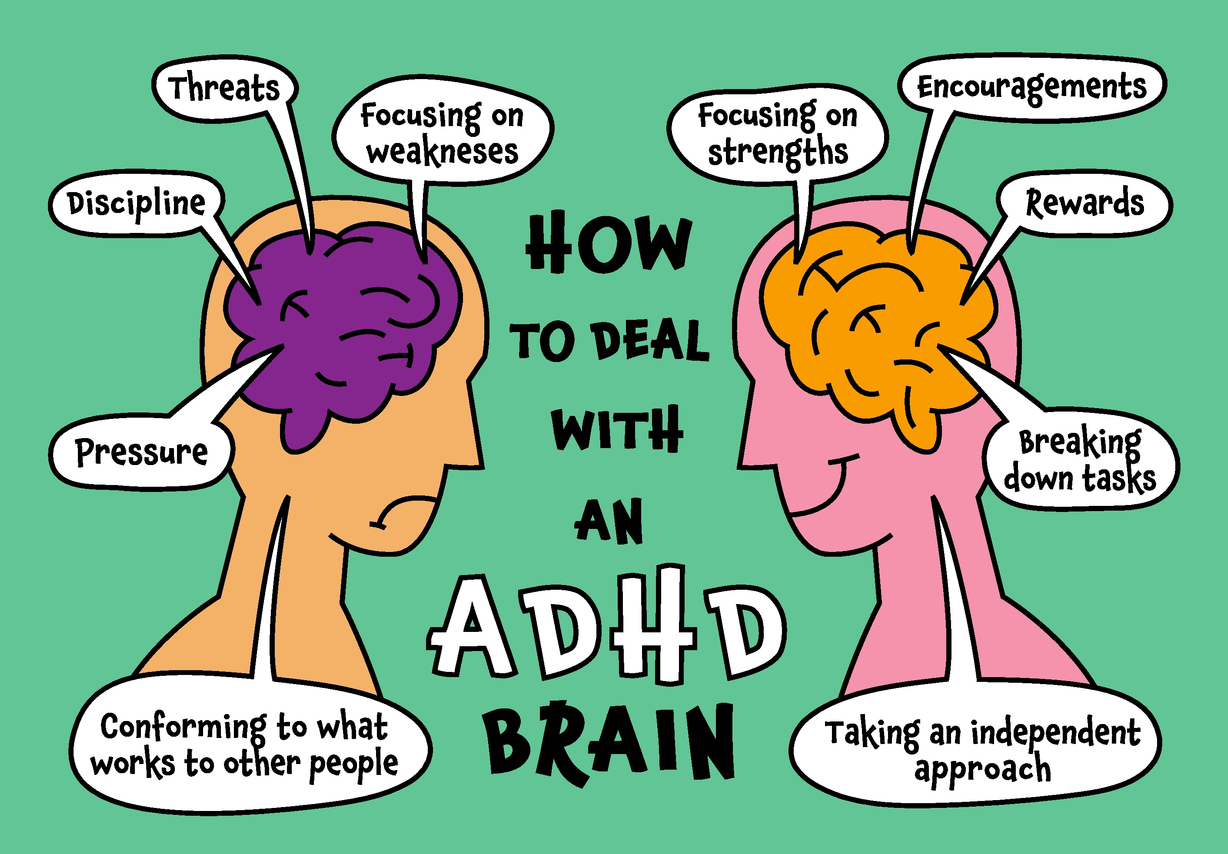
- Tag Teaming: Dividing responsibilities with a partner, family member or friend, body doubling tasks, delegating and collaborating. This approach plays to each other's strengths and creates a broader net to catch all aspects of parenting and family life.
- Practicing Self Compassion: We won't achieve perfection because no one is perfect, but we can focus on talking to ourselves like we would someone we care about and want to see succeed. Modeling this for our children is also important.
- Build in Some Sensory Breaks: Try stepping outside, using tools to calm, or take a few minutes to yourself when feeling overwhelmed.
- Lean on Community: ADHD Support groups or networks can normalize your experiences and provide encouragement and connection (Monastra, 2014). There are other parents with adult ADHD out there, and raising children does not have to be in isolation.
These small but intentional strategies can reduce stress, improve family flow, and allow parents with adult ADHD to feel more confident in their role.
Team Voices: Here is what one of our providers at Cognito has to say:
“I have found over the years the act of slowing down and reminding myself I have ADHD, helps me let go of all or nothing thinking patterns I can get caught up in. This awareness has helped to build compassion for my abilities. One of my best traits now is being able to stand back and SMART goal a task by asking “what is my capacity?”, “what steps might I need to put into place, or let go of? How much time will this actually take?…. and don’t forget to set the reminder AND put it in the calendar!” Whether it be alone or with my family, humor is also something I lean into often. My parenting struggles are real, but with strategies and consistency I have learned how to navigate life with an ADHD brain a little bit easier” . -Sarah Wiebe, CBT Care Provider
Being a parent with adult ADHD is both a challenge and an opportunity. While the demands can sometimes feel relentless, ADHD also brings unique strengths into family life, such as creativity, empathy, humor, and the ability to think outside the box. By acknowledging challenges and working through shame and practicing coping strategies that align with your needs, you can build a parenting style that feels authentic, sustainable, and supportive for both you and your children. Remember: Your presence, love, and effort matter more than perfection.
At Cognito, we can support parents navigating ADHD symptoms with compassion and evidence-based CBT strategies.
Interested in learning more about ADHD? Check out our other ADHD-related articles!
Written by:
Brittany Bercier. CBT Care Provider
.png)


.png)