Signs Your Nervous System Is Overloaded (And What It Means)
.png)
.png)
You are mid-task when a text comes in. Then you remember the thing you forgot to send this morning. By the time you circle back to what you were originally doing, it takes twice as long to finish, if you finish it at all. At night, your body is tired but your mind will not stop. So you scroll. You watch something. Anything to keep from lying there replaying the list of things still undone. If this sounds familiar, you may be dealing with nervous system overload. A dysregulated nervous system, and a very specific, very recognizable set of signs that come with it.
What Nervous System Overload Actually Feels Like
People with overloaded nervous systems commonly report they feel exhausted, burned out or drained. They describe being on a hamster wheel they cannot step off. They use justifications such as “people depend on me. If I stop, something will fall apart. I always need to be available.”
Signs of an Overloaded Nervous System
Dysregulation tends to show up in a recognizable cluster. Here is what it often looks like day to day.
- Difficulty focusing. A text, a question, an interruption, and suddenly the task you were doing takes twice as long. Your attention is being pulled in too many directions to settle anywhere.
- Unfinished tasks that follow you to bed. Lying down does not mean your mind stops. The list of what did not get done shows up the moment distractions disappear.
- Numbing behaviour at night. Scrolling, streaming, anything to quiet a mind that will not turn off on its own. This is less about entertainment and more about avoidance.
- Irritability. Less patience with the people you love most, often followed by guilt about the way you snapped at them.
- Physical tension you may not notice. A clenched jaw, tight shoulders, a body that has forgotten what relaxed feels like, even if you would not describe yourself as stressed.
- Working more while performing worse. The less rested you are, the harder you push, and the harder you push, the worse your output becomes. The system designed to protect you starts working against you.
See our article: Why Am I Always Mentally Exhausted? What Your Brain and Body Are Telling You
Where This Leads if Nothing Changes
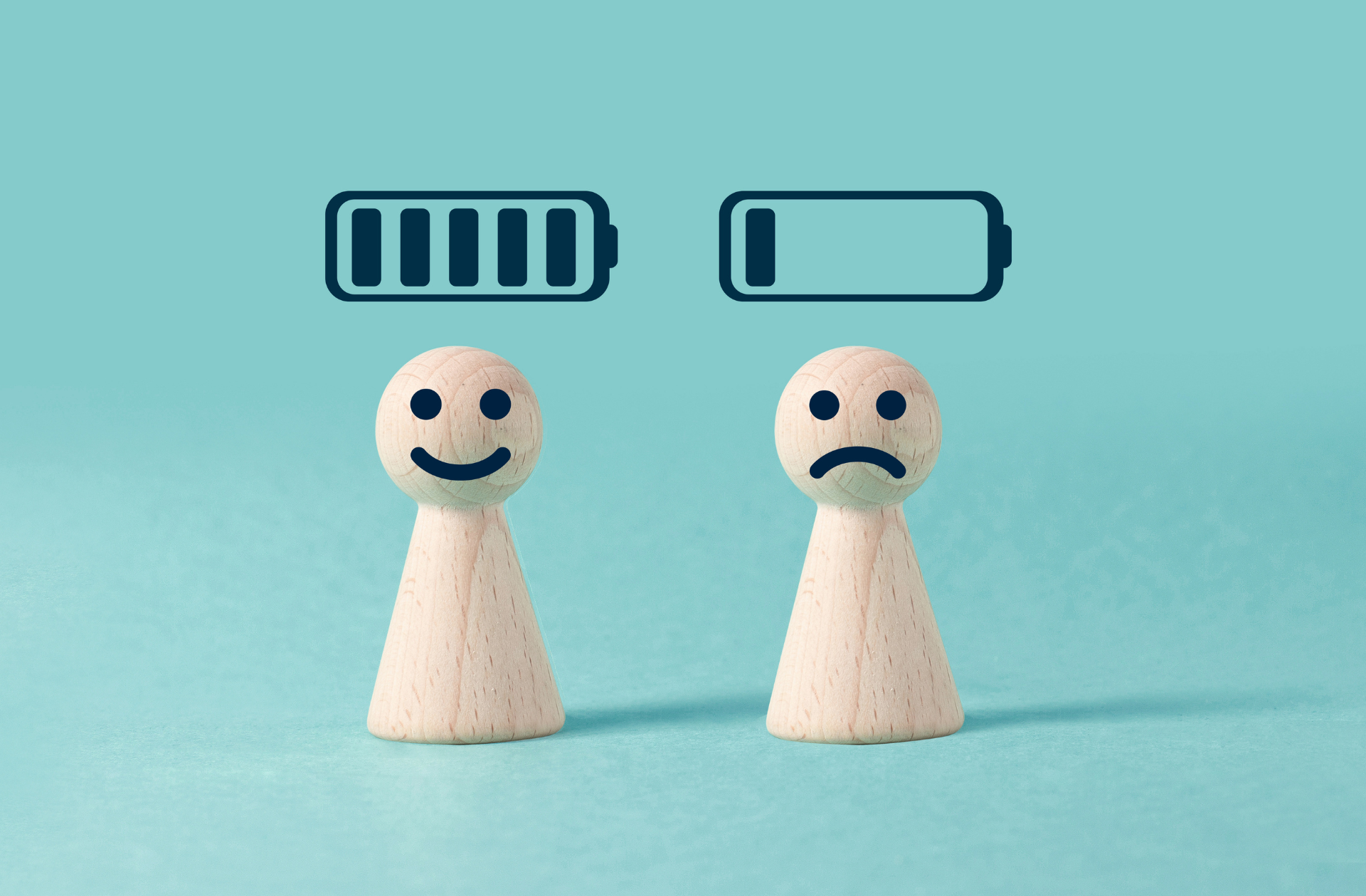
When cortisol, epinephrine, and norepinephrine are released excessively, the system eventually depletes. This depletion influences your energy levels.
Professor of neuroscience and psychology Matthew Walker captures this idea well. People think that low mood is characterized by feeling sad all the time. What they do not account for is the things that used to feel good, lose their spark. Imagine a lemon that has been squeezed dry. You can still squeeze it. You still get something out of it. But the lemonade comes out weaker, blander, and far less satisfying than it used to be (Walker, 2017).
That is what chronic dysregulation does to a run you used to love, a dinner with friends you used to look forward to, a vacation you now mostly think of as an escape rather than something exciting. As enthusiasm fades, people slowly stop doing the things that used to recharge them, and that withdrawal is often the bridge between burnout and depression.
When This Needs More Than Self Help
Some stress is proportionate and temporary. Taking a few weeks to grieve a loss, or stepping back after a major life event, is a normal and healthy response. As Viktor Frankl put it, an abnormal reaction to an abnormal situation is normal behaviour.
What is worth paying closer attention to is dysregulation without a clear external trigger, particularly when it starts affecting daily functioning. A few markers worth considering.
- Is it affecting your ability to keep up at work, school, or home, repeatedly rather than occasionally?
- How often is this happening, once a week, several times a month, or has it become constant?
- How long has this pattern been going on, days, weeks, or months?
- Is there a clear external cause, or does the exhaustion feel like it has no obvious source?
If you notice yourself withdrawing from hobbies, relationships, or basic self-care without a clear reason why, that is a meaningful signal worth bringing to a professional.
What Helps First
When emotions are running high, the prefrontal cortex, the part of the brain responsible for rational thinking, effectively loses its connection to the limbic system. This is regulated through the HPA axis, involving the hypothalamus, pituitary gland, and adrenal glands. In plain terms, the calm, reasoning part of your brain goes offline, and the alarm system takes over (Cleveland Clinic, 2024).
This is why the first step is never a strategy or a plan. It is regulation.
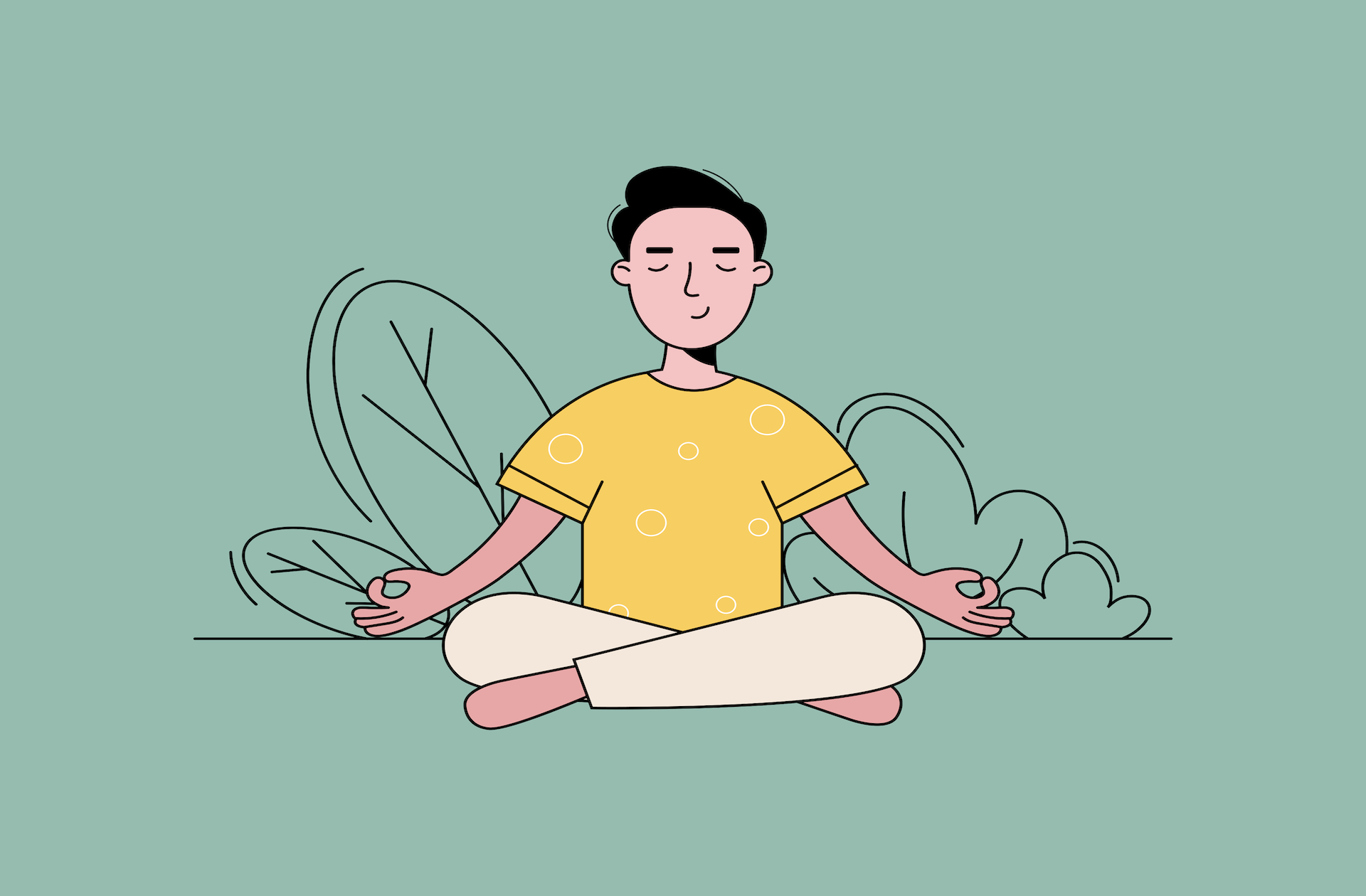
- Regulate first. Meditation, mindfulness, art, exercise, or time with people you trust. The goal is simply bringing the nervous system back to a state where logical thinking is possible again.
- Understand your own cycle. Notice the thoughts that repeatedly come up, the resulting exhaustion, and the behaviours that follow.
- Explore the values underneath, when ready. Often the conflict is not laziness versus discipline, it could be two genuine values in tension, wanting to be reliable and wanting space for the things that matter to you personally.
- Build a plan once the first three are in place. Sustainable change tends to follow understanding, not replace it. A therapist trained in Cognitive Behavioural Therapy can help connect these pieces together (Hofmann et al., 2012).
Learn more about how CBT works at our clinic
Your Nervous System Is Not Broken, It Is Overloaded
If you recognize yourself in these signs, that recognition is not a diagnosis, and it is not a failure. It is information. A nervous system that has been running without rest for too long is not malfunctioning. It is doing exactly what it was built to do, just for far too long without a break.
The path back is not about pushing harder. It starts with regulation, then understanding, then change that actually fits your life.
If you recognize these signs in yourself, our team offers CBT and mental health support in British Columbia and Ontario, including for busy adults without a family doctor or psychiatrist. → [Book a free consultation]
Disclaimer: This post is for education and self-awareness. It is not a diagnosis or replacement for therapy.
References
Cleveland Clinic. (2024). Hypothalamic-pituitary-adrenal (HPA) axis: What it is. https://my.clevelandclinic.org/health/body/hypothalamic-pituitary-adrenal-hpa-axis)
Hofmann, S. G., Asnaani, A., Vonk, I. J. J., Sawyer, A. T., & Fang, A. (2012). The efficacy of cognitive behavioral therapy: A review of meta-analyses. Cognitive Therapy and Research, 36(5), 427–440. https://pmc.ncbi.nlm.nih.gov/articles/PMC3584580/
Walker, M. (2017). Why We Sleep: Unlocking the Power of Sleep and Dreams. Scribner.
.png)